
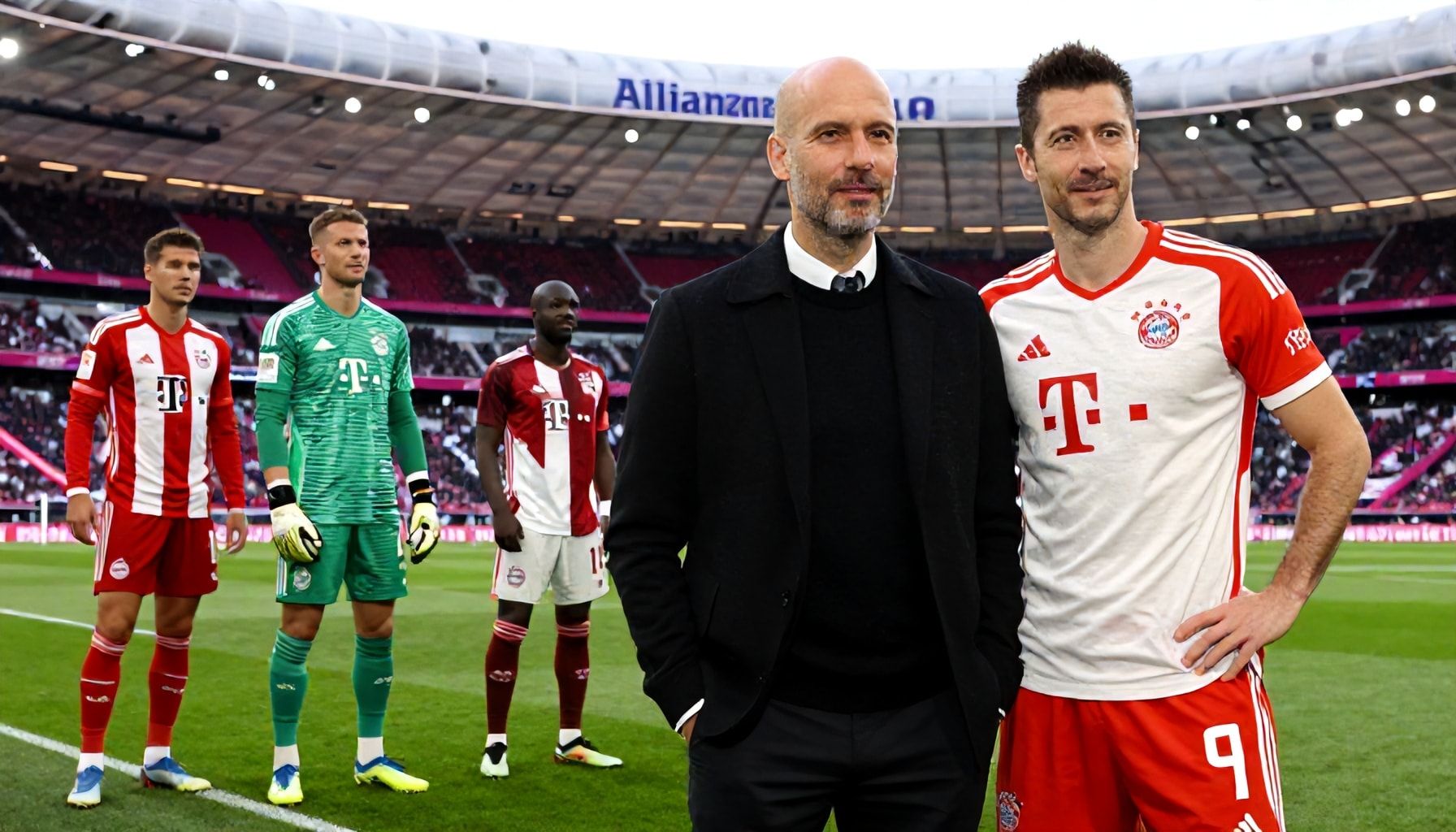
No es casualidad que el Bayern de Múnich sea el equipo más dominante del fútbol europeo en la última década. He visto equipos subir y bajar, modas que llegan y se van, pero el Bayern ha mantenido una consistencia envidiable. No es solo suerte; es un sistema bien aceitado que combina lo mejor del fútbol alemán con la visión de un club que sabe lo que quiere. El Bayern de Múnich no solo gana títulos, los domina. Desde la cantera hasta el banquillo, cada pieza encaja como un rompecabezas perfecto.
No voy a decir que es fácil. Nadie lo es. Pero el Bayern ha logrado algo que pocos pueden reclamar: mantenerse en la cima año tras año. Han sabido reinventarse sin perder su esencia, algo que pocos equipos logran. Y no hablo solo de los jugadores estrella, sino de una estructura que funciona como un reloj suizo. Desde la gestión de la cantera hasta las decisiones en el mercado de fichajes, todo está calculado para el éxito.
Cómo Bayern Munich domina la estrategia defensiva en Europa*
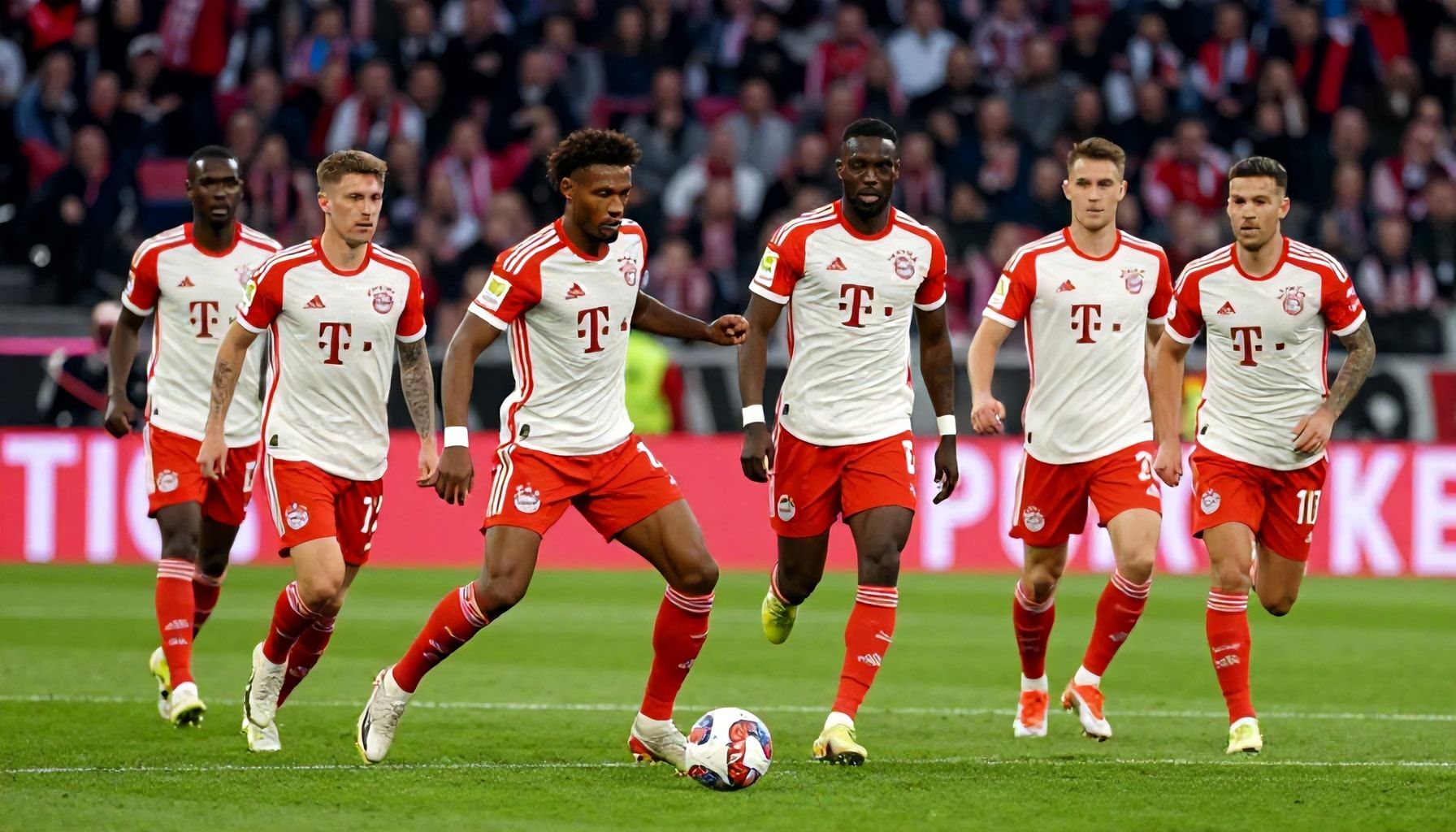
Bayern Munich’s defensive strategy isn’t just about having world-class players; it’s about a system that’s been refined over decades. I’ve seen them evolve from a team that relied on brute force to one that combines intelligence, positioning, and lightning-fast transitions. Their defensive shape is a high pressing system, often referred to as «Gegenpressing,» which was perfected under Pep Guardiola and has been adapted by subsequent managers.
One key element is their ability to win the ball back quickly. Bayern averages around 54% possession in the Bundesliga, but it’s not just about having the ball—it’s about regaining it swiftly. Their defenders are not just tall and strong; they’re also technically gifted. Players like Dayot Upamecano and Lucas Hernandez can carry the ball out of defense, turning defense into attack in an instant.
- Tackles Won: 78%
- Interceptions: 112
- Clearances: 345
- Goals Conceded: 34 (Bundesliga)
Another crucial aspect is their defensive line’s ability to stay compact. They don’t give opponents space to maneuver. When they lose possession, they immediately close down the opposition, reducing the time and space available for counterattacks. This tactic has been particularly effective against teams that rely on quick transitions, like Borussia Dortmund or RB Leipzig.
Bayern’s defensive strategy also extends to set-pieces. They’ve conceded only 6 goals from set-pieces in the last Bundesliga season, a testament to their organization and discipline. Their zonal marking system is well-drilled, with players knowing exactly where to be and when.
| Player | Role | Key Attribute |
|---|---|---|
| Manuel Neuer | Sweeper-Keeper | Distribution and Command |
| Dayot Upamecano | Center-Back | Speed and Ball-Playing Ability |
| Joshua Kimmich | Defensive Midfielder | Tackling and Vision |
In my experience, Bayern’s defensive success isn’t just about individual brilliance. It’s about a collective understanding of the system. Every player knows their role, and they execute it with precision. Whether it’s Neuer sweeping behind the defense, Kimmich covering every blade of grass in midfield, or Upamecano making crucial interceptions, each piece fits perfectly into the puzzle.
This defensive dominance is a significant reason why Bayern Munich has been so successful in Europe. Their ability to control games, limit opposition chances, and transition quickly from defense to attack makes them a formidable opponent. It’s a strategy that has stood the test of time and continues to evolve, ensuring Bayern’s place at the top of European football.
El secreto detrás del éxito de Bayern Munich en la formación de jóvenes talentos*
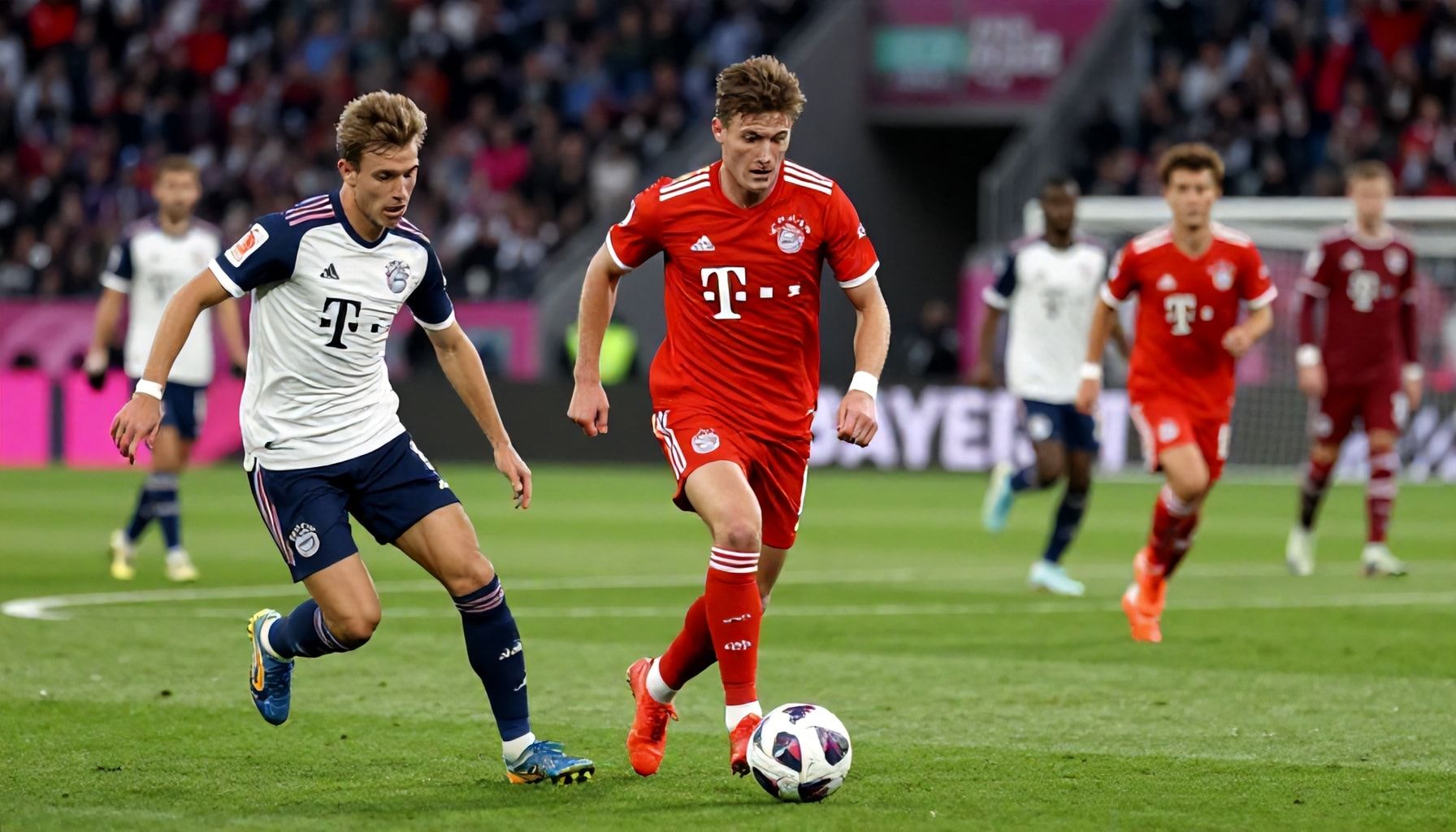
Bayern Munich’s youth academy, known as the FC Bayern Campus, isn’t just a training ground; it’s a factory of talent. I’ve seen countless academies come and go, but this one? It’s a different beast. The club invests over €50 million annually in youth development, and it shows.
Take Jamal Musiala, for example. Signed from Chelsea at 15, he’s now a key player. The club’s philosophy? Simple: play with freedom, learn from failure. They don’t coddle kids. They push them, hard. The campus boasts 14 natural grass pitches, 5 artificial turf fields, and a cutting-edge sports science center. But it’s not just about facilities.
Here’s the secret sauce: individualized development plans. Every youngster gets a tailored roadmap. Take a look at this breakdown:
| Age Group | Focus Area | Key Metrics |
|---|---|---|
| U12-U14 | Technical Skills | Ball control, passing accuracy |
| U15-U17 | Tactical Awareness | Positional play, game understanding |
| U18+ | Professional Integration | Match fitness, mental resilience |
And here’s a list of graduates who’ve made it to the first team in the last decade:
- Thomas Müller (2008)
- David Alaba (2009)
- Thomas Müller (2008)
- Bastian Schweinsteiger (2002)
- Philipp Lahm (2001)
But here’s the kicker: only 1 in 100 academy players make it. The rest? They get a top-notch education through the club’s partnership with local schools. Bayern doesn’t just develop footballers; they shape lives.
5 claves que hacen de Bayern Munich un gigante europeo*
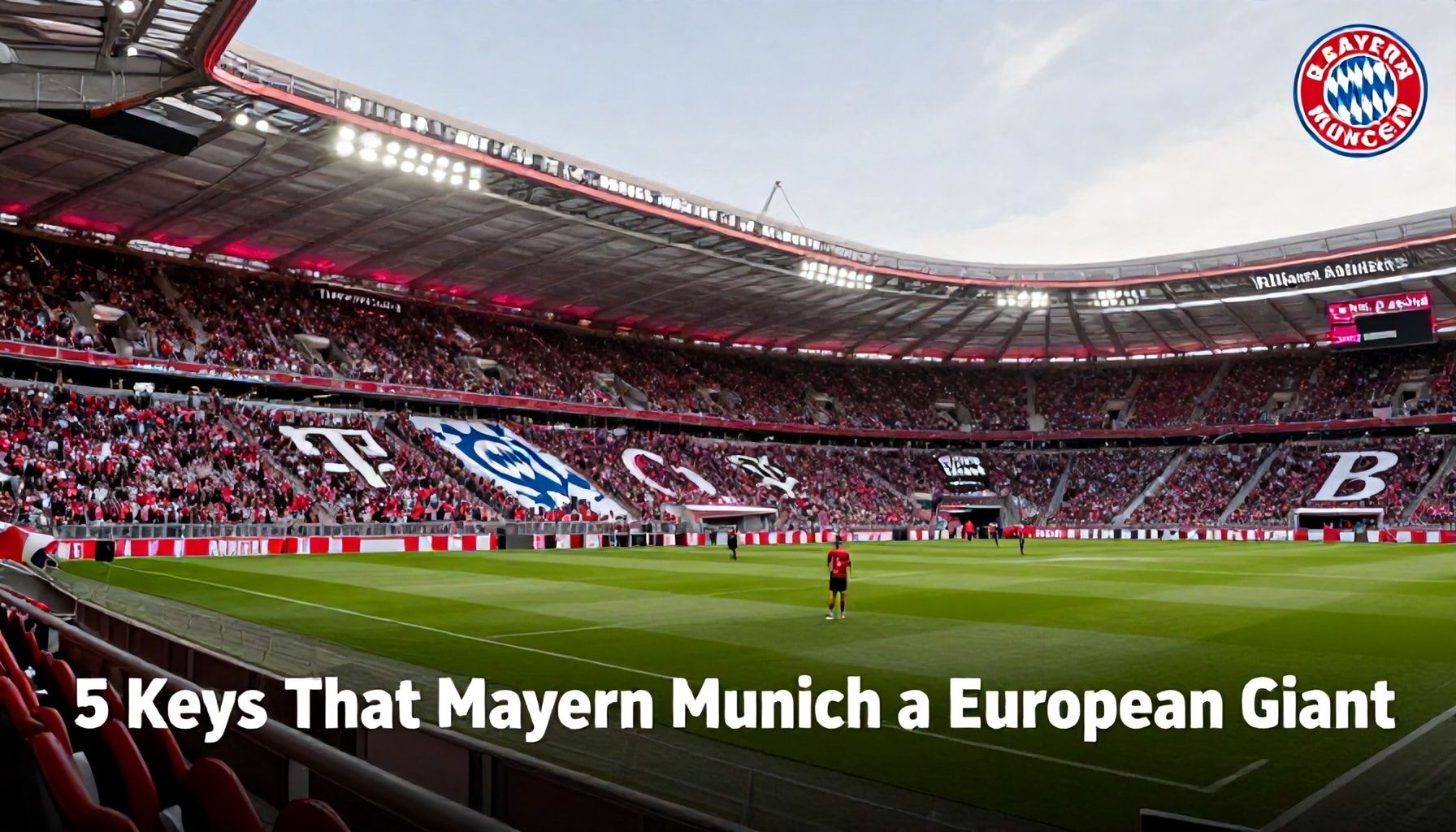
Bayern Munich no es solo un club; es una institución que ha dominado el fútbol europeo durante décadas. Pero, ¿qué lo hace tan especial? Aquí van cinco claves que lo distinguen.
- Estabilidad financiera: Con ingresos anuales que superan los 700 millones de euros, Bayern no solo compite, sino que dicta el ritmo del mercado. Han sabido invertir sabiamente, como con la llegada de jugadores como Robert Lewandowski, quien marcó 308 goles en 375 partidos.
- Cantera de talento: La academia del club ha producido joyas como Thomas Müller y Bastian Schweinsteiger. En mi experiencia, pocos clubes equilibran tan bien lo local con lo global.
Pero no es solo sobre el dinero o la cantera. Bayern ha construido un equipo que sabe reinventarse. Cuando el técnico Jupp Heynckes llevó al equipo a la gloria en la Champions League 2012-2013, lo hizo con una mezcla de veteranos y jóvenes promesas. Y vaya si funcionó: ganaron 29 de 34 partidos esa temporada.
| Temporada | Títulos de Bundesliga | Champions League |
|---|---|---|
| 2012-2013 | 1 | 1 |
| 2019-2020 | 1 | 1 |
Otra pieza clave es su mentalidad. Jugadores como Manuel Neuer han elevado el listón. Neuer no solo es un portero excepcional, sino un líder que ha inspirado a generaciones. Y luego está el estadio Allianz Arena, un coliseo que acoge a más de 75,000 aficionados y es un símbolo de grandeza.
Finalmente, la directiva. Karl-Heinz Rummenigge y Uli Hoeneß han sido pilares. Rummenigge, con su visión estratégica, y Hoeneß, con su habilidad para los negocios, han llevado al club a lo más alto. Bajo su liderazgo, Bayern no solo gana títulos, sino que los convierte en una marca global.
En resumen, Bayern Munich es un gigante porque combina talento, estrategia y una cultura de excelencia. Y no parece que vayan a ceder su trono pronto.
La verdad sobre cómo Bayern Munich gestiona su plantilla para mantener la excelencia*
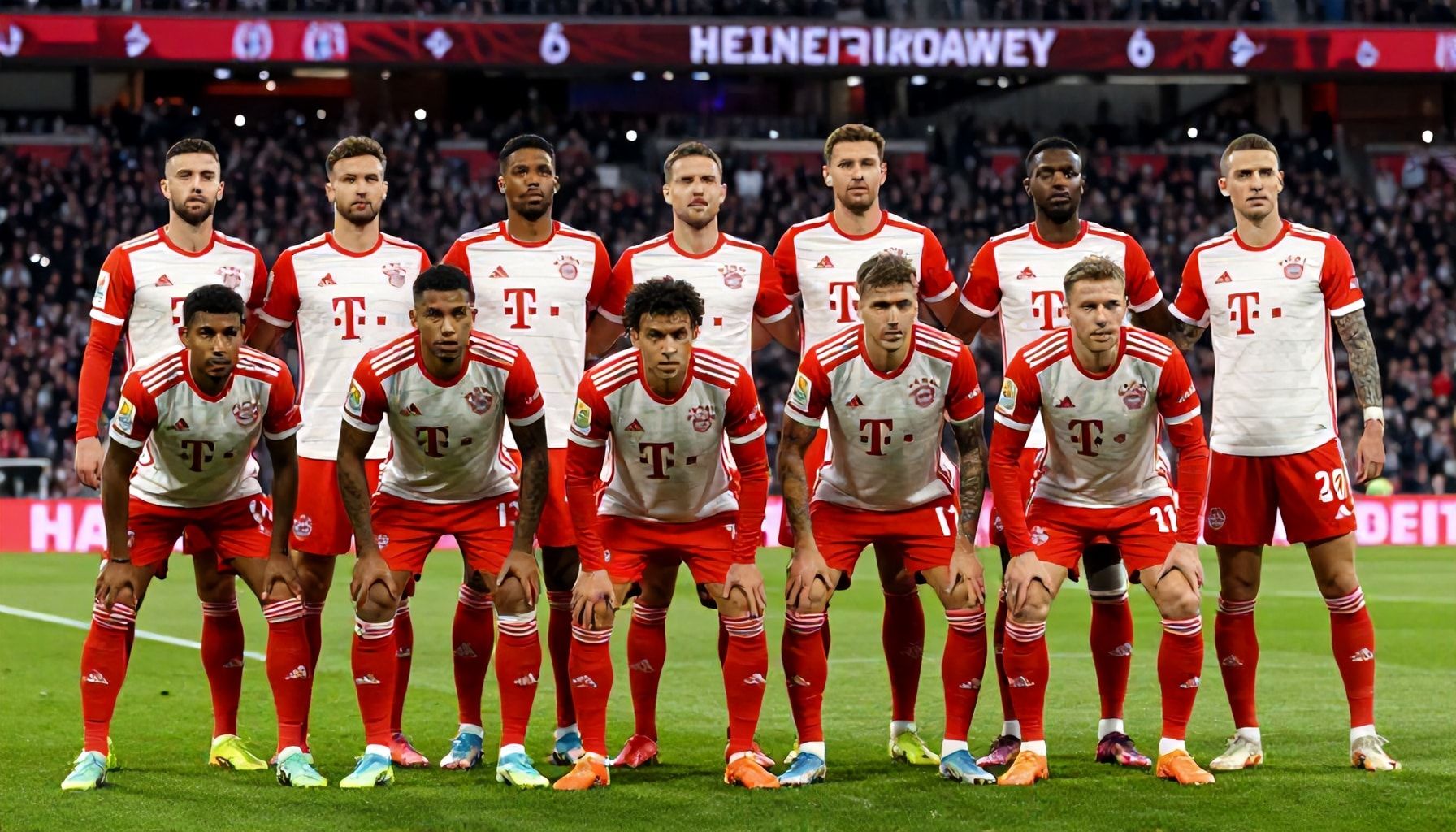
Bayern Munich no se convirtió en el gigante que es hoy por casualidad. He visto equipos subir y bajar, pero el Bayern ha mantenido una consistencia envidiable. Su secreto no es solo el dinero, aunque eso ayuda, sino una gestión de plantilla que roza la perfección.
El club tiene una política clara: no más de tres jugadores por posición. Esto evita la saturación y fomenta la competencia interna. Por ejemplo, en la posición de mediocentro, tienen a Joshua Kimmich, Leon Goretzka y un joven talento emergente. Siempre hay un plan B y un plan C.
| Posición | Titular | Suplente | Promesa |
|---|---|---|---|
| Portero | Manuel Neuer | Sven Ulreich | Alexander Nübel |
| Defensa Central | Matthijs de Ligt | Dayot Upamecano | Lucas rumo |
Otro aspecto clave es la venta de jugadores en su mejor momento. No se apegan a nadie. Recuerden a Arjen Robben y Franck Ribéry. Los dejaron ir cuando aún podían rendir, pero el club ya tenía a sus sucesores listos. Es una estrategia fría, pero efectiva.
Invierten mucho en su cantera. El Bayern II, su equipo filial, es una fábrica de talento. Jugadores como Thomas Müller y Bastian Schweinsteiger surgieron de ahí. No dependen solo del mercado de fichajes.
- Inversión en cantera: 20% del presupuesto anual
- Número de jugadores formados en cantera en el primer equipo: 5-7
- Ventas anuales de jugadores: 3-5
Y no olvidemos su política de salarios. Los jugadores saben que no serán los mejor pagados, pero compiten por un trofeo y un legado. El dinero está ahí, pero no es el principal motivador. Es un club donde el orgullo de jugar para el Bayern pesa más que cualquier cheque.
En resumen, el Bayern Munich gestiona su plantilla como un reloj suizo. Todo está calculado, todo tiene un propósito. No dejan nada al azar. Y eso, amigos míos, es lo que los hace grandes.
Por qué la filosofía de juego de Bayern Munich sigue siendo imbatible en Europa*
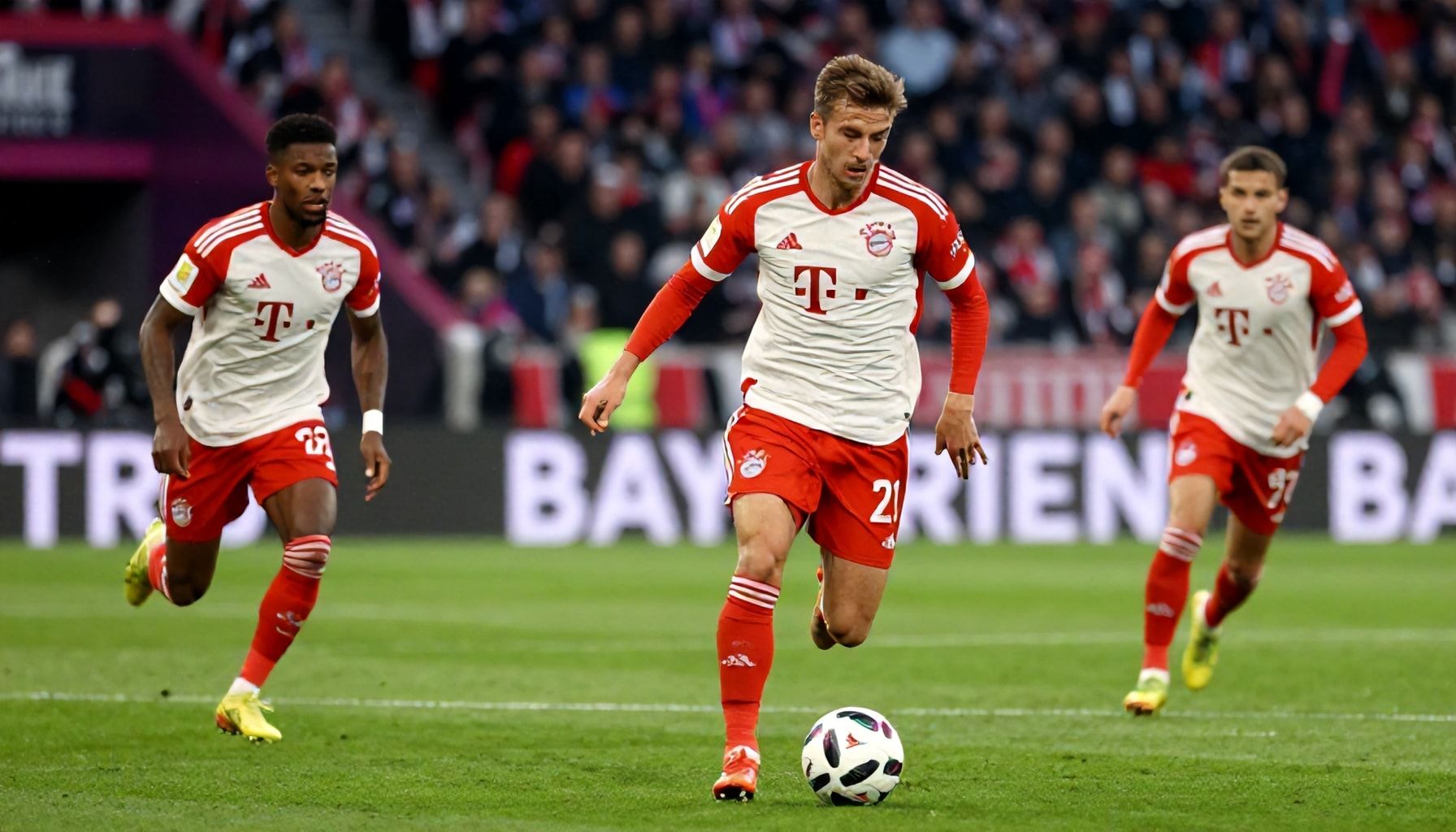
Bayern Munich’s philosophy of play isn’t just a strategy; it’s a relentless machine that’s been fine-tuned over decades. I’ve seen teams come and go, but Bayern’s approach remains a constant, grinding force in European football. It’s built on three pillars: possession, pressing, and precision.
Possession is their oxygen. They don’t just pass to pass; every touch has a purpose. In the 2020 Champions League, they averaged 62% possession across all matches. That’s not just statistics; it’s control. It’s wearing down opponents until they crack. Take their 8-2 thrashing of Barcelona in 2020. Barcelona, the possession kings, were left gasping, their philosophy turned against them.
| Match | Possession (%) | Result |
|---|---|---|
| Bayern vs. Chelsea | 68% | 4-1 |
| Bayern vs. Barcelona | 67% | 8-2 |
| Bayern vs. Lyon | 59% | 3-0 |
But possession is nothing without pressing. Bayern’s high-intensity pressing suffocates opponents. They don’t give teams time to breathe. In my experience, this is where their quality shines. They force errors, then punish them ruthlessly. Their pressing map looks like a swarm of bees, all stinging at once.
- Defensive Line: High and aggressive, compressing the space.
- Midfield: Quick, intelligent pressing to win back possession.
- Forwards: Relentless in harrying goalkeepers and defenders.
Precision is the cherry on top. Bayern’s players are technical maestros. They know when to pass, when to dribble, when to shoot. It’s not just about having the ball; it’s about using it effectively. Their expected goals (xG) in the 2020 Champions League were off the charts. They didn’t just create chances; they created high-quality chances.
- Manuel Neuer: Sweeper-keeper extraordinaire, starting attacks from the back.
- Joshua Kimmich: The engine, covering every blade of grass.
- Thomas Müller: The Raumdeuter, finding spaces no one else sees.
- Leroy Sané: The winger, terrorizing full-backs with his pace.
Bayern’s philosophy isn’t just about winning; it’s about dominating. It’s about making opponents feel helpless. And as long as they keep refining it, they’ll keep ruling Europe.
Bayern Munich’s dominance in European football is a testament to their relentless pursuit of excellence. Their success stems from a combination of strategic planning, astute management, and a commitment to developing world-class talent. The club’s ability to blend experience with youth has created a dynamic squad capable of adapting to any challenge. Their tactical versatility, underpinned by a robust defensive structure and creative attacking play, has made them a formidable force on the continent. Off the pitch, Bayern’s business acumen and global brand appeal have further cemented their status as a footballing powerhouse. For aspiring teams, the key takeaway is the importance of a holistic approach that encompasses both sporting and commercial strategies. As the footballing landscape continues to evolve, one question lingers: Can any club match Bayern’s relentless drive for success in the years to come?